
Speakers
Meet the experts and explore the topics of their presentations at the conference. The talks are organized into thematic sessions.
THEMATIC SESSION / 01
XR in Surgery
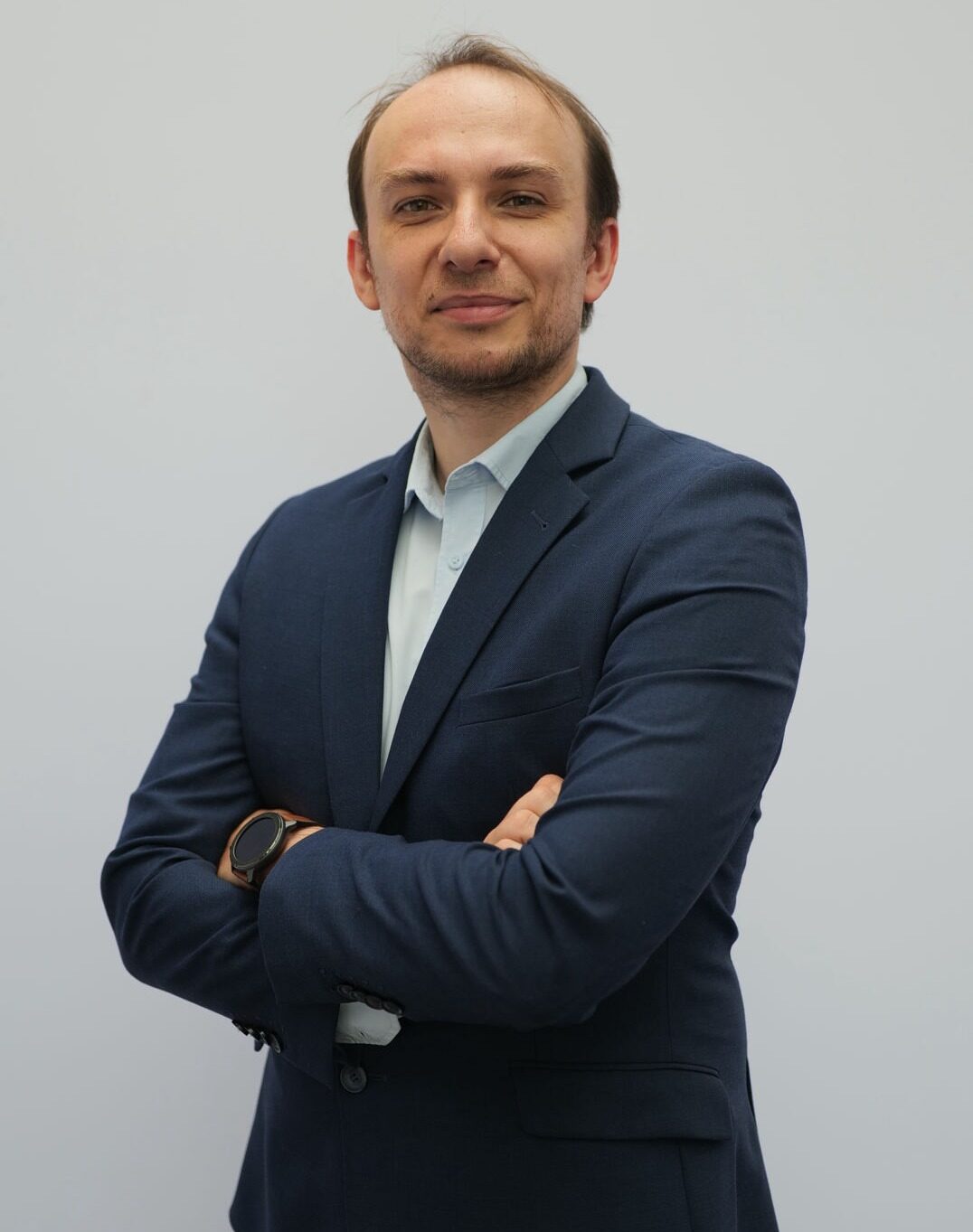
Filip Górski
Poznan University of Technology
Topic: Virtual and Mixed Reality for surgeons: training and presurgical preparation
A researcher, educator, and innovation leader specializing in mechanical engineering, biomedical engineering, digital manufacturing, and medical technologies. His work focuses on the integration of advanced engineering methods – including 3D scanning, reverse engineering, CAD/CAM systems, additive manufacturing, extended reality (XR), digital twins, and artificial intelligence – into healthcare and customized product development. He has led and contributed to numerous interdisciplinary projects at the intersection of engineering and medicine, particularly in the development of patient-specific medical devices, surgical guides, prosthetic solutions, and digital clinical workflows. His research emphasizes engineering-to-order approaches, mass customization, and the digital transformation of healthcare processes. As a professor and academic mentor, he is actively involved in international scientific collaboration, technology transfer, and the education of future engineers. He regularly delivers invited lectures and keynote presentations on topics related to Industry 4.0, additive manufacturing, XR technologies, and biomedical product development. His recent work includes the development of advanced digital platforms for personalized medicine, automated additive manufacturing workflows, and CAD-agnostic engineering environments that support flexible product configuration and design automation across multiple CAD systems. His broader mission is to bridge engineering innovation and clinical practice, enabling more efficient, personalized, and digitally integrated healthcare solutions.
Maciej Pawłowski
HOLO vectors
Topic: The new standard in medical visualization.
Physiotherapist, cognitive scientist, educator, and Clinical Application Specialist at HOLO vectors. He combines medical expertise with emerging technologies, conducting training sessions and workshops on the use of 3D visualization and XR in medicine and education.


Wout De Swaef
Materialise
Topic: XR in surgery: From preoperative visualization to the operating room
Wout De Swaef graduated from the KU Leuven University in Belgium, with a degree in Biomedical Engineering. In 2024 he joined Materialise, a Belgian company delivering 3D printing and 3D technology solutions. In his current role as Application Engineer, he supports medical software users in hospitals, universities and medical device companies across Europe and the Middle East. Possible software applications include 3D model creation, patient specific implants and guides, surgery planning and more.
THEMATIC SESSION / 02
Additive Manufacturing of Tissue Structures
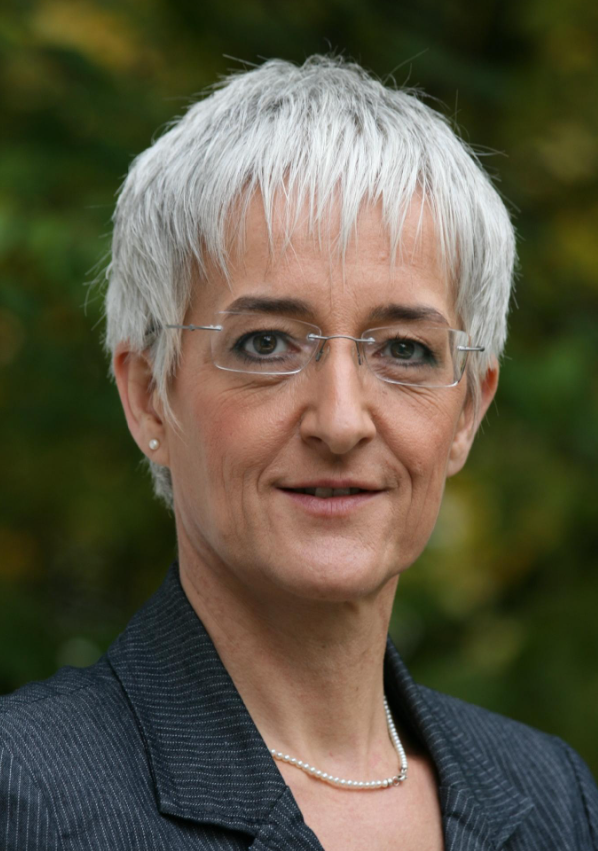
Birgit Glasmacher
Gottfried Wilhelm Leibniz University Hannover
Topic: Electrospinning for printing blood vessels/soft tissues
Prof. Prof. h.c. Dr.-Ing. Birgit Glasmacher is a mechanical engineer and serves since 2006 as professor for Medical Process Engineering / Biomedical Engineering at Gottfried Wilhelm Leibniz University Hannover (LUH), Germany. She studied mechanical engineering at RWTH Aachen followed by biomedical engineering at the University of Dundee in Great Britain. She worked as PhD student at the Helmholtz-Institute for Biomedical Engineering at RWTH Aachen University where she received her PhD in 1992. Prof. Glasmacher´s special research interests lay in Biomedical Engineering with special research topics in biomaterials, functional tissue engineering, biohybrid systems, mechanisms of implant damage and cryotechnology. Prof. Glasmacher authored more than 300 publications and serves as board member of many national and international scientific societies in the field of BME and cryotechnology, furthermore she is active in encouraging and supporting female students and female engineers during studying and in industry.
Jakub Dalibor Rybka
NanoBioMedical Centre, Adam Mickiewicz University in Poznan
Prof. Jakub Dalibor Rybka, PhD, DSc, Eng., MBA, is a Professor of Natural Sciences in the discipline of Biotechnology and Director of the NanoBioMedical Centre at Adam Mickiewicz University in Poznań (AMU). He is among the first scientists in Poland to have been awarded the title of Professor in the discipline of Biotechnology. He began his academic career at the University of Natural Resources and Life Sciences (BOKU) in Vienna, where he obtained his PhD while conducting research on the engineering of modular antibodies. He earned his habilitation degree at AMU based on his scientific achievements in the application of nanomaterials in biotechnology. His current research focuses primarily on 3D bioprinting, biomaterials and nanomaterials, tissue engineering, and regenerative medicine. He has authored and co-authored numerous scientific publications, patents, and technologies developed through national and international research projects. A distinctive feature of his professional activity is his commitment to bridging science and business and facilitating the commercialization of research outcomes. Prof. Rybka is actively involved in developing technologies originating from academia and translating them into practical solutions and products. He is a co-founder and Chief Operating Officer (COO) of SpinBionic, the first biotechnology spin-off company established at AMU. He combines his experience as a scientist and research team leader with expertise in management, entrepreneurship, and technology transfer, further supported by his MBA education. As a principal investigator and researcher in numerous scientific projects, he has secured substantial funding for research initiatives that have contributed to the development of innovative solutions in COVID-19 immunodiagnostics, biomaterials, bioprinting, and regenerative medicine. He leads interdisciplinary teams and projects integrating biological sciences, materials science, engineering, and medicine. Prof. Rybka also has extensive experience as an expert and reviewer of research projects and grant applications. He participates in national and international evaluation processes for scientific, research and development, and innovation projects. He serves as Chair of the Evaluation Committee for Internationalization at the Polish National Agency for Academic Exchange (NAWA) and has served as an expert evaluator for the European Commission under the Horizon Europe programme, assessing projects in the fields of health and emerging technologies. He has received numerous awards and distinctions in recognition of his scientific achievements, technology transfer activities, and organizational contributions. These include the Silver Seal of the City of Poznań (2023) and the Minister of Science Award for Outstanding Achievements in Research Commercialization. Prof. Jakub D. Rybka's professional activities encompass three complementary areas: high-level scientific research, the management and evaluation of research and innovation projects, and entrepreneurship and technology commercialization. His work focuses on building bridges between academic research and its practical applications, covering the entire innovation process—from concept development and research funding, through technology development, to implementation and commercialization.
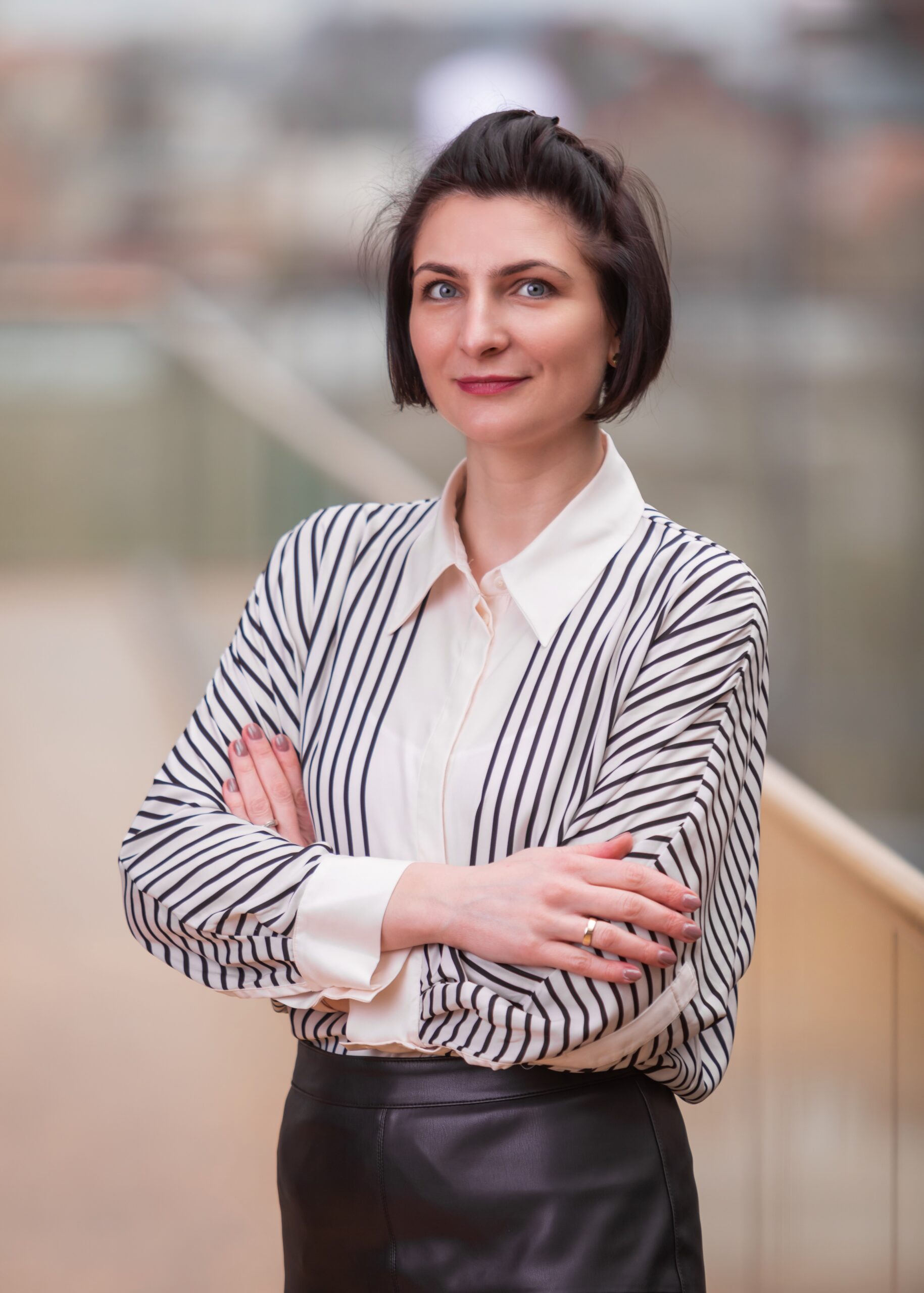
Monika Dobrzyńska-Mizera
Poznan University of Technology
Monika Dobrzyńska-Mizera is an Assistant Professor at Poznan University of Technology, specializing in materials engineering with a strong focus on polymer science. She earned her PhD in Materials Engineering and completed her habilitation in 2025. Her research focuses on polymer processing, modification, and characterization, with emphasis on bio-based polymers, polymer blends, and composite materials for biomedical and sustainable packaging applications. She develops functional materials with controlled properties and high biocompatibility. She is the author of over 30 peer-reviewed journal articles and numerous conference papers. She has extensive experience in national and European research projects, including EIC initiatives, collaborating with international institutions and industry to support the transfer of research into applications. She also teaches polymer processing and materials engineering courses in both Polish and English and supervises bachelor’s and master’s theses.
THEMATIC SESSION / 03
Modeling and Simulation
Paweł Baranowski
Military University of Technology
Topic: Advanced Additively Manufactured Cellular Structures – From Sports Biomechanics to Human Protection
Paweł Baranowski, DSc, Eng., is a researcher affiliated with the Military University of Technology (MUT) in Warsaw, where he holds the position of Associate Professor in the research and teaching staff at the Faculty of Mechanical Engineering (FME), Institute of Mechanics and Computational Engineering. His scientific activities focus on the dynamics of materials and structures, numerical modeling of highly nonlinear phenomena, analysis of blast effects, and the design of advanced protective and cellular structures manufactured using additive manufacturing technologies. Another important area of his research involves the application of mechanical engineering methods and solutions to biomedical engineering, particularly the analysis of cellular structures for bioengineering applications. He graduated from the Military University of Technology in 2010 with a Master's degree in Mechanical Engineering from the Faculty of Mechanical Engineering. He obtained his PhD in Technical Sciences in 2015 and his habilitation degree (DSc) in Mechanical Engineering in 2023. He has authored and co-authored 105 scientific publications in renowned international journals, including *Additive Manufacturing*, *Composite Structures*, and the *International Journal of Rock Mechanics and Mining Sciences*. He has participated in more than 20 research and development projects, serving as principal investigator for projects funded by the National Centre for Research and Development (NCBR), the European Defence Agency (EDA), and the European Commission (EC). His scientific achievements also include patents related to transportation safety systems and original experimental-numerical methodologies developed using LS-DYNA software. According to Scopus, his h-index is 28, with 1,918 citations, and his publications have been cited by researchers from leading scientific institutions worldwide. In recognition of his scientific achievements, he has received numerous awards and distinctions, including a scholarship for outstanding young scientists, an award from the Polish Minister of National Defence, and the Professor Michał Życzkowski Second-Degree Scientific Award granted by the Committee on Mechanics of the Polish Academy of Sciences (PAS).
Bartłomiej Burlaga
Poznan University of Technology
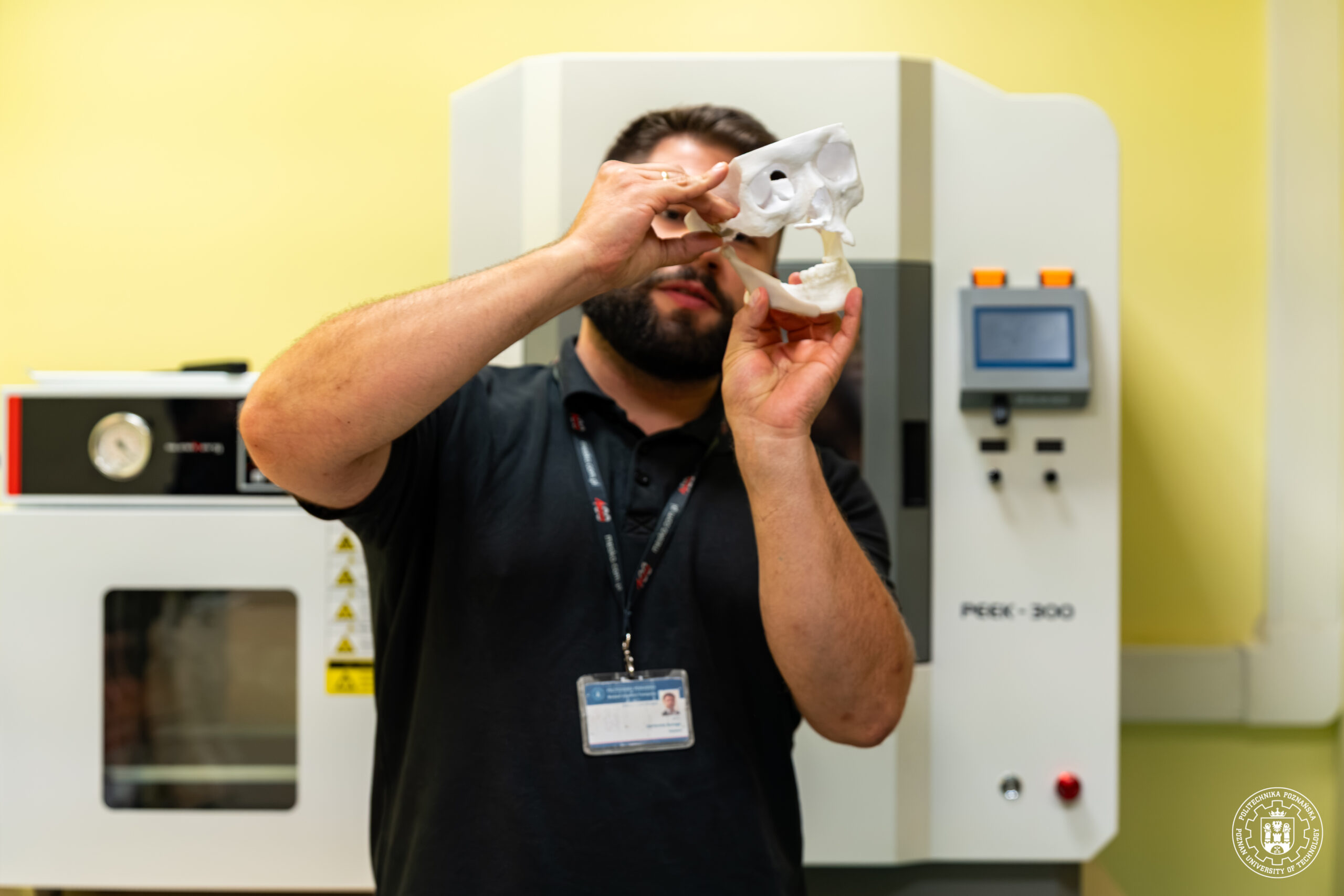
PhD in Engineering and Technology in the discipline of Mechanical Engineering, and a researcher and academic teacher at Poznan University of Technology. He specializes in computational mechanics, numerical simulations, and material modeling, with a particular focus on biomechanics and biomedical engineering. He has been involved in biomedical engineering since the beginning of his academic career, combining research with teaching activities. Since 2019, he has taught the course "Finite Element Method in Biomedical Applications." He also supervises diploma theses related to biomechanical modeling and the design of medical solutions. His research combines numerical methods and material modeling with experimental investigations. He applies these approaches to the development, optimization, and validation of solutions for biomedical engineering. His work includes the design and numerical analysis of implants and surgical plates for mandibular reconstruction. He also investigates the mechanical properties of PEEK and its modified variants intended for prosthetic and implant applications, as well as developing corresponding material models. Another area of his research involves constitutive modeling of polycaprolactone (PCL), taking into account material aging. He is currently conducting research on modeling elbow joint injury mechanisms in collaboration with a clinical center in Dresden. He collaborates with international research institutions, including centers in Kiel and Cottbus, focusing on functional materials, soft robotics, and multiphysics analyses. He also has experience in additive manufacturing technologies (3D printing). He has participated in completed projects involving the development of devices supporting rehabilitation and monitoring, including an interactive rehabilitation mat and a wearable measurement band.
Agnieszka Stempin
Genius Loci Archaeological Reserve
Agnieszka Stempin, PhD in Archaeology, is a cultural manager and Head of the Genius Loci Archaeological Reserve on Ostrów Tumski in Poznań, a branch of the Archaeological Museum in Poznań. She has conducted archaeological excavations and authored publications focusing on the archaeological and cultural aspects of medieval leisure activities and entertainment. In the field of archaeological outreach and public engagement, she has curated numerous award-winning museum exhibitions, exhibition catalogues, and educational projects incorporating modern technologies.
THEMATIC SESSION / 04
Sensors and Measurement Systems
Ewaryst Tkacz
Academy of Silesia, Department of Clinical Engineering
Topic: Intelligent Biomedical Sensors – From Biological Signals to AI-Supported Clinical Decision-Making
Professor of Technical Sciences, specializing in biomedical engineering, biomedical signal processing, biotechnology, and bioinformatics. He graduated from the Silesian University of Technology in 1982. He obtained his PhD in 1987 from Brno University of Technology, his habilitation degree in 1998 from the Institute of Biocybernetics and Biomedical Engineering of the Polish Academy of Sciences (PAS), and the title of Professor in 2007. For many years, he headed the Department of Biosensors and Biomedical Signal Processing at the Faculty of Biomedical Engineering of the Silesian University of Technology. Since 2024, he has served as Head of the Department of Clinical Engineering at the Silesian Academy. His research focuses on biomedical signal analysis, including electrocardiography (ECG), electroencephalography (EEG), seismocardiography, and heart rate variability (HRV), as well as the application of artificial intelligence methods in diagnostics, biomaterials, and biosensors. He has authored and co-authored more than 350 scientific publications and is a co-editor of the *Innovations in Biomedical Engineering* monograph series published by Springer Nature. He has supervised 14 PhD dissertations and more than 60 Master's theses. He served two terms as Chair of the IEEE Engineering in Medicine and Biology Society (EMBS) Chapter and is a member of the Committee on Biocybernetics and Biomedical Engineering of the Polish Academy of Sciences.
Szymon Cygan
Warsaw University of Technology
Topic: 3D and 4D Measurements of the Human Body Surface Using Structured Light – From Posture Assessment to Motion Analysis
Szymon Cygan, DSc, Eng., is an Associate Professor at the Institute of Metrology and Biomedical Engineering, Faculty of Mechatronics, Warsaw University of Technology. His research focuses on biomedical signal and image processing, as well as measurement systems, with recent emphasis on wearable technologies and human motion analysis. He obtained his habilitation degree in 2025 for the development of physical and numerical phantoms of the left ventricle for echocardiographic and magnetic resonance imaging (MRI) studies. He is the originator of WristPrint, a technology enabling biometric authentication of smartwatch users based on the skin structure of the wrist, developed within a European Innovation Council project. He has also co-developed solutions for non-invasive core body temperature measurement and the assessment of skeletal muscle properties. His scientific achievements include more than 40 research publications and a patent. Since 2026, he has served as Chair of the IEEE Engineering in Medicine and Biology Society (EMBS) Poland Chapter.


Jakub Matuska
Poznan University of Medical Sciences
Topic: Application of Thermal Imaging and Surface Electromyography in the Assessment of Referred Pain
Physiotherapist and PhD candidate pursuing a joint doctoral degree under a cotutelle agreement between Poznan University of Medical Sciences in Poland and Universitat Rovira i Virgili in Spain. Since 2021, he has been working in the field of technology-assisted rehabilitation, incorporating advanced solutions such as the Ekso exoskeleton into clinical practice. He is a certified EksoBionics trainer (P1–P3) and has several years of experience providing exoskeleton-assisted therapy. His scientific research focuses on the application of surface electromyography (sEMG) to objectively assess phenomena related to pain and neuromuscular function. He has authored and co-authored scientific publications addressing topics such as electromyography, myofascial pain, and nociplastic pain. He combines clinical experience with research into the application of emerging technologies in physiotherapy and neurorehabilitation.